Horses and bulls at the ranch
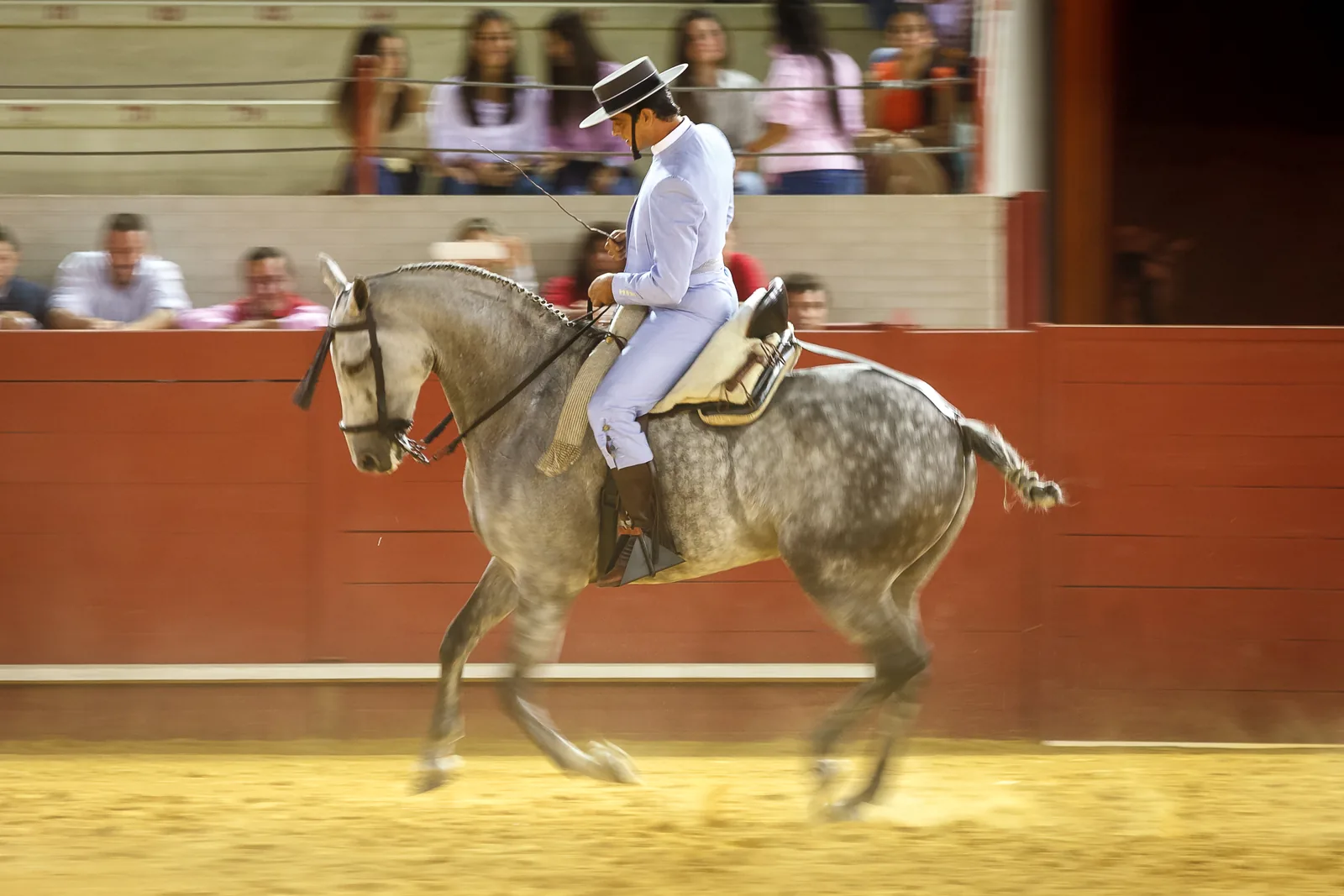
Riders on Andalusian horses, cattle and Torrestrella bulls at a family ranch in the Cádiz countryside, with seats in the sun or the shade.
Cádiz · La Janda
Riders on Andalusian horses, cattle with their calves, mares with foals and bulls in the ring, at a family ranch in the Cádiz countryside.
Watch from seats in the sun or the shade, with the family's horses working in front of you.
Read this before booking
No bullfight is listed. The ticket is for a country show at a family ranch in the Cádiz countryside: riders on Andalusian horses, cattle with calves, mares with foals and Torrestrella bulls, watched from seats in the sun or the shade. The ranch breeds fighting bulls, though, so the show belongs to the bullfighting world, and no source we found says what happens to the animals beyond the show.
A presentation of how a fighting-bull ranch and an Andalusian horse stable work. The ranch's own list names the herd with its calves, cowboy dressage, mares with foals, classical dressage on a purebred Spanish horse, and the bulls, and the presenter speaks four languages.
Not a bullfight as far as the sources describe. Neither the booking page nor the ranch's pages describe a contest between a bullfighter and a bull, and the ticket is for a ranch visit and not a seat at a bullring. It is also not a dressage gala: classical work is one item among several.
Neither page says what the bulls do in the ring, or states that no animal is harmed. One reviewer on the booking page writes that none are, which is a visitor's remark and not the ranch's own word. If the answer matters to you, ask the ranch before you book.
The ranch in four lines
The ranch's own list
The ranch's own programme names six items. The ticket describes the same show in outline, and the order on a given day can differ.
The ranch's list opens with las divisas, which it glosses as the colours of the different breeds. Why the colours matter, and which breeds they stand for, the sources do not say.
Next comes the herd of cows with their calves. The ticket adds that cattle, including a stallion, calves, mares and foals, take part in the show.
The ranch calls it cowboy dressage. Wikipedia calls it the traditional working riding discipline of Spain, and one of the guides here explains how it differs from classical dressage.
The ranch lists the mares with their foals in freedom. The ticket counts mares and foals among the animals you watch from your seat.
A purebred Spanish horse is shown in classical dressage, according to the ranch. The ticket says the Domecq family's horses perform classical and countryside dressage.
The bulls come last on the ranch's list. The ticket calls the Torrestrella bulls famed for bravery and ferocity and says bulls and cattle perform acts of bravery. Neither says what the bulls do, or what becomes of them afterwards.
The ranch gives a list, not a running order or a timetable. Treat any detail beyond it, here or elsewhere, as unconfirmed until the ranch says so.
Two kinds of horse work
Two kinds of horse work appear on the ranch's list. Wikipedia treats them as separate disciplines.
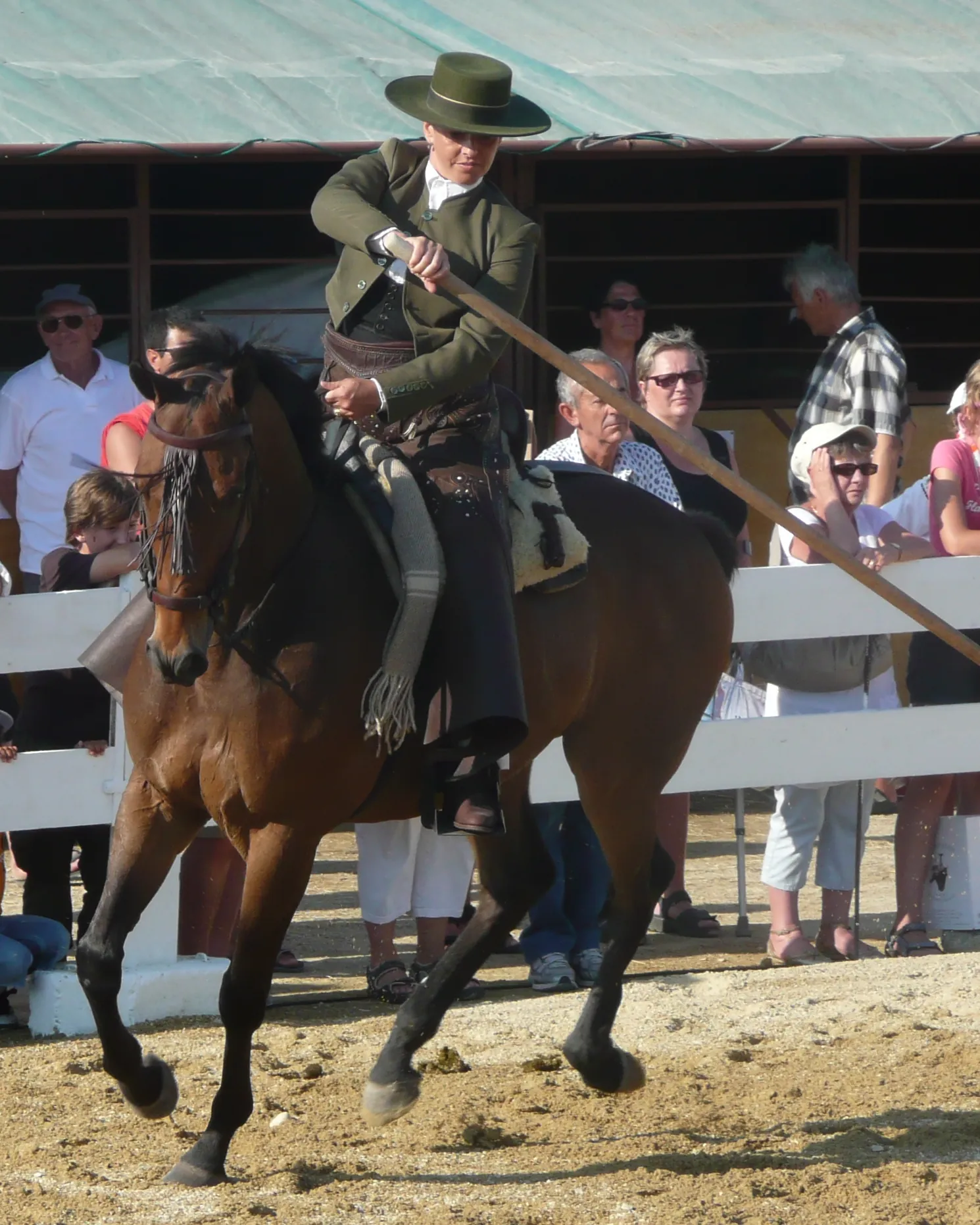
Campo riding, doma vaquera, is Spain's traditional working riding, built on the older brida and jineta styles. Classical dressage is horse training pursued as an art, traced to Xenophon and the Renaissance riding treatises.
Campo riding serves work with cattle, and Wikipedia ties it to acoso y derribo, a sport in which riders use a lance called the garrocha. Classical dressage serves the horse's balance and obedience, shown in set movements.
A pole in the rider's hand and cattle nearby point to the campo. Collected steps, a trot in place or turns on the spot point to classical dressage.
Wikipedia says the Andalusian was selected for athleticism and stamina and used for dressage, driving, bullfighting and working livestock.
How the ranch trains its horses, and how many appear. Wikipedia notes that doma vaquera has used harsh equipment in the past; the ranch says nothing either way.
La Janda, its herds and Jerez
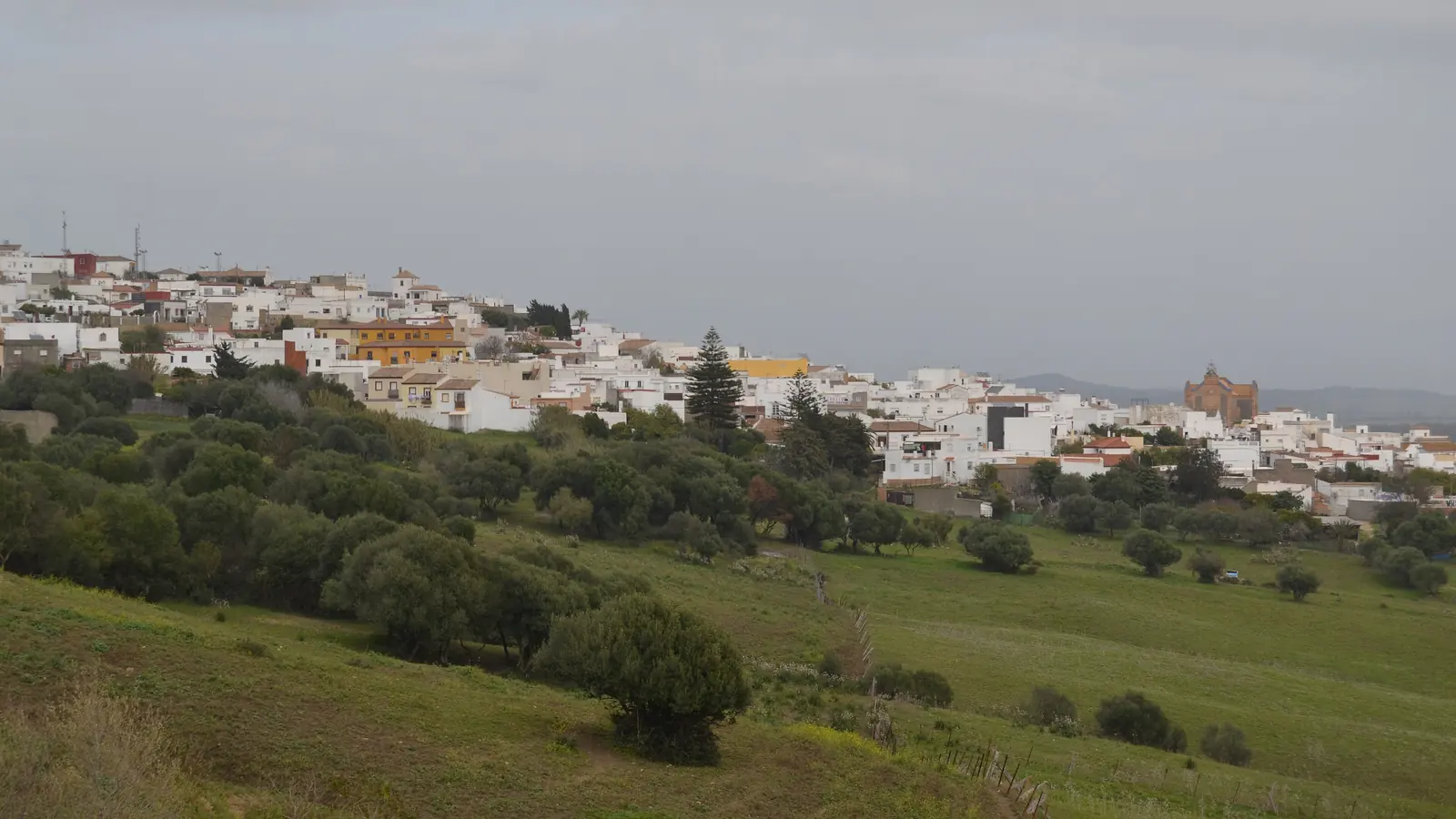
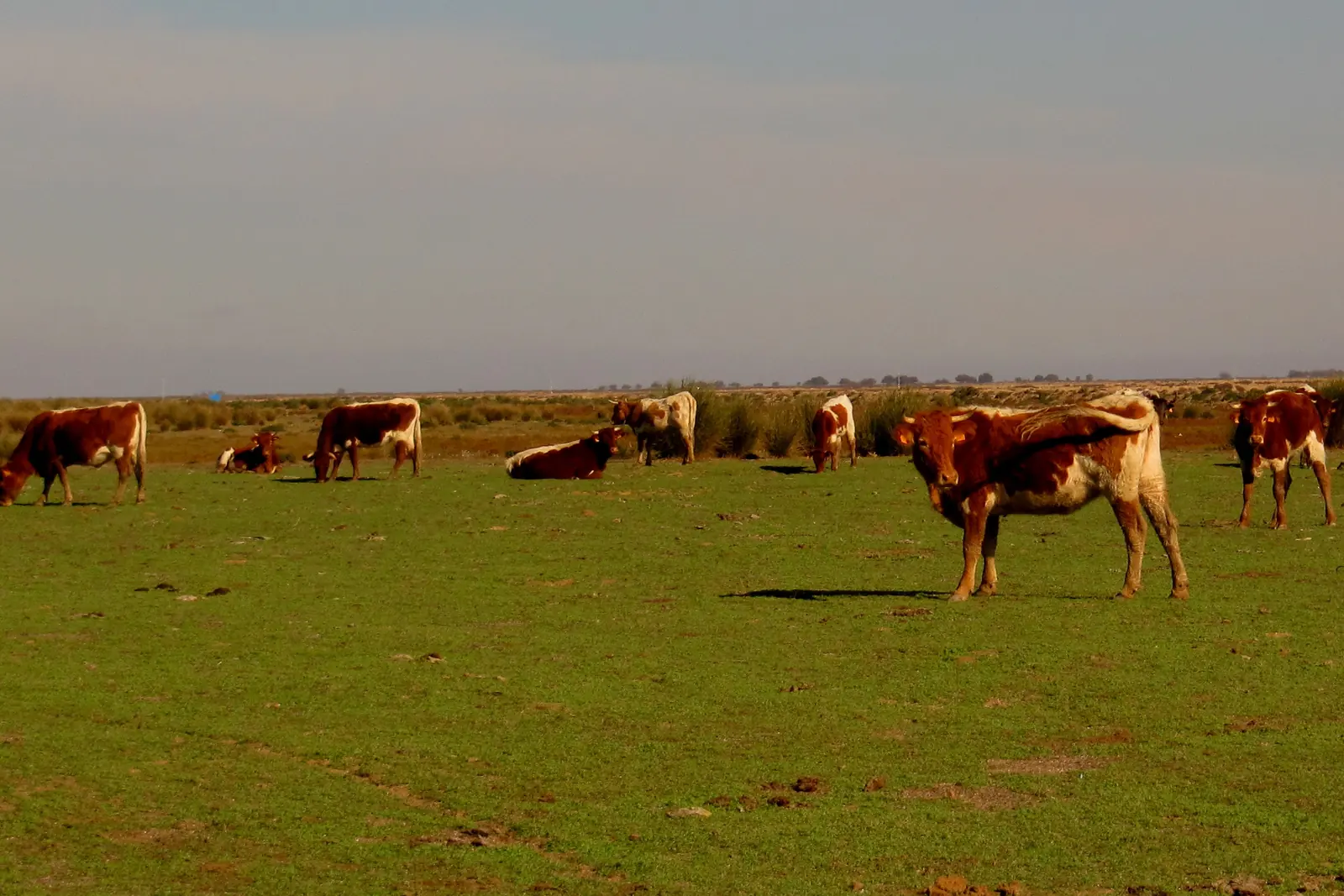
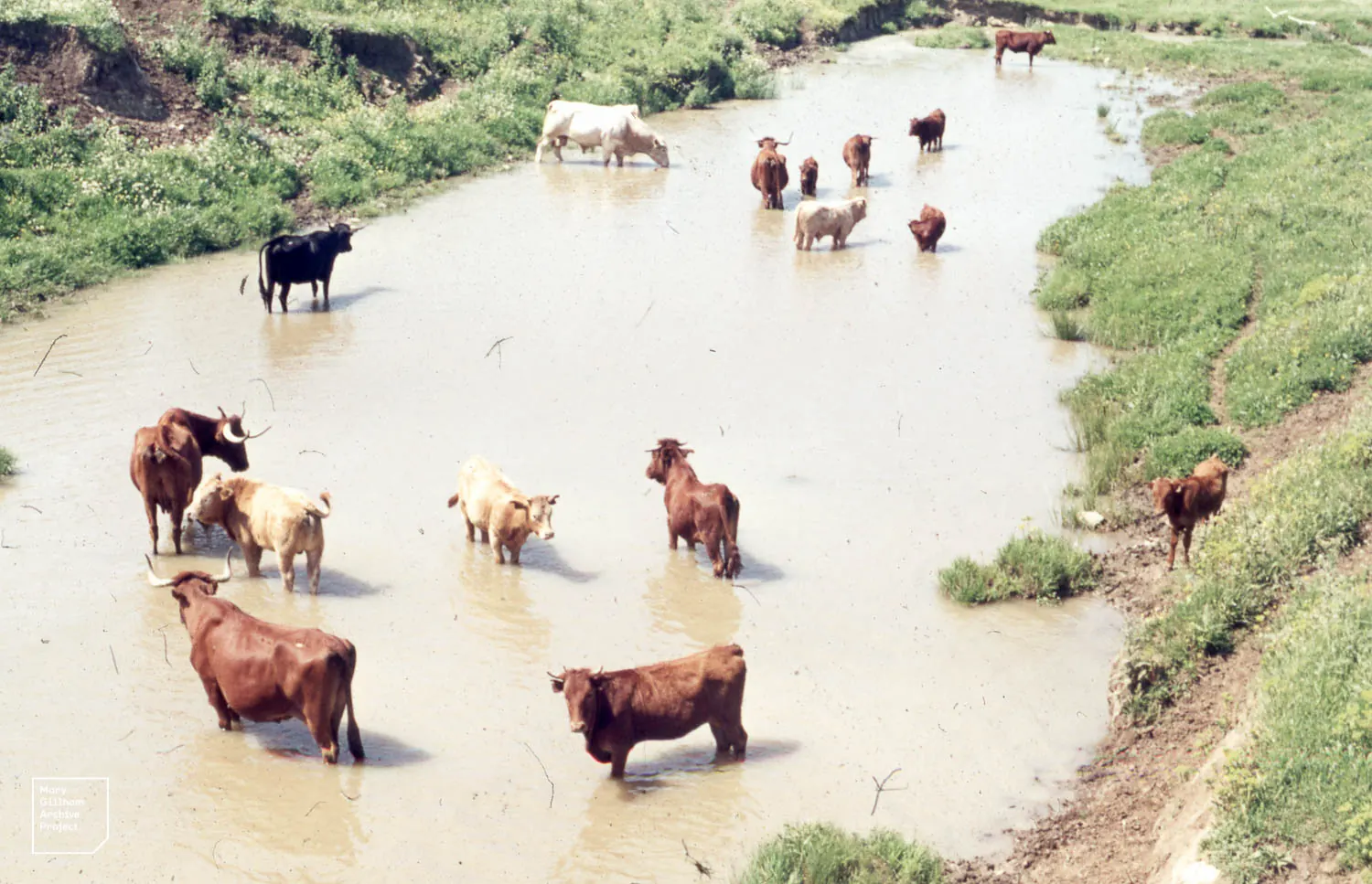
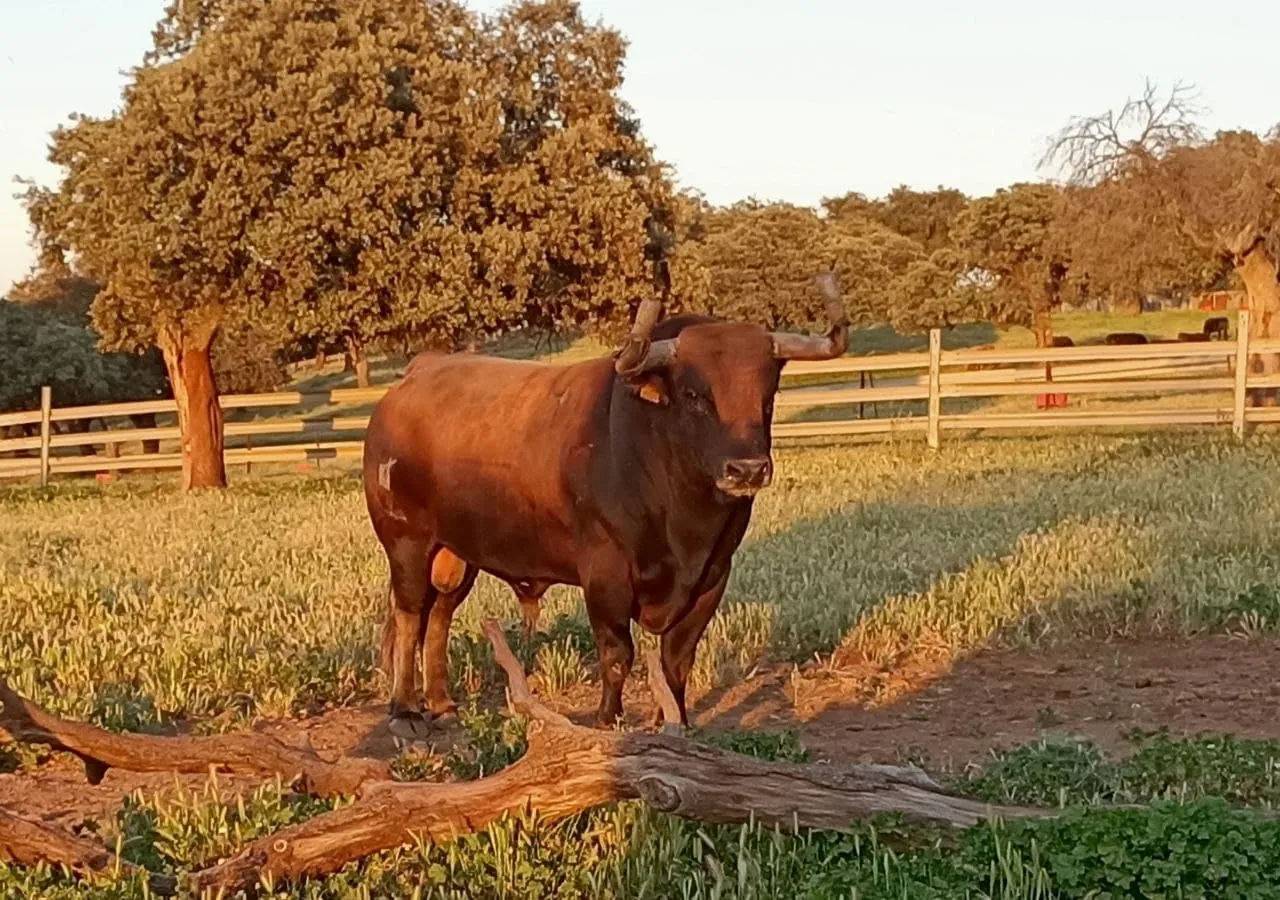
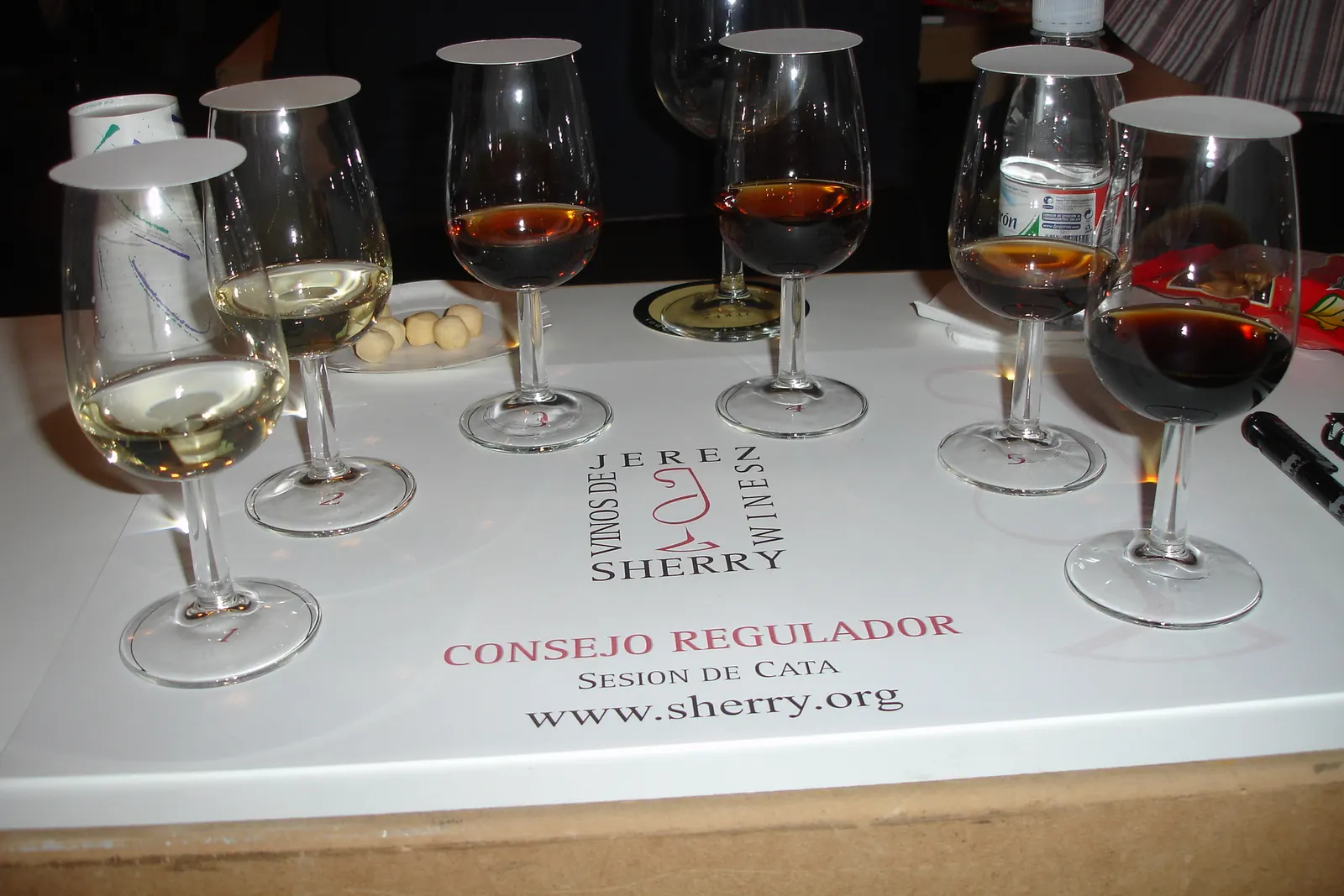
Photographs of the Cádiz countryside, fighting-bull cattle, a doma vaquera pole and a sherry tasting. None was taken at the ranch, and each caption says where it was.
What to book
The ranch show comes first. The three tickets after it are separate bookings from other providers around Jerez and Cádiz.
Riders on Andalusian horses, cattle and Torrestrella bulls at a family ranch in the Cádiz countryside, with seats in the sun or the shade.
A guided tour of the Álvaro Domecq cellars in Jerez, covering how sherry wines, brandies and vinegars age, and ending with a tasting.
A catamaran trip from the port of Cádiz at sunset, with a glass of cava or water, an audio guide and the city seen from the water.
A guided walk through the historic centre of Jerez, from the San Miguel quarter to the Alcázar wall, the cathedral and the Church of San Dionisio.
More to book in Cádiz province
Plan the day
At El Carrascal, the ranch of A Campo Abierto, on the A-2228 road at Benalup-Casas Viejas, in the La Janda area of Cádiz province. It is in open countryside and not in Jerez city, though Jerez and Cádiz are the usual bases.
The ticket lists free parking. The sources describe no bus or train to the ranch, so plan a car, a taxi or an arranged transfer, and confirm it ahead of your date.
Comfortable clothes, the ticket says. Seats are in the sun or the shade, so a hat and water help on a hot day and a light layer helps in the shade.
The presenter speaks English, French, German or Spanish. The ticket gives about an hour and a half, and the ranch's own site gives a longer window for its version of the visit, so keep spare time.
The ticket says the show is wheelchair accessible, that pets are welcome and that photography is allowed. There is a souvenir and coffee shop on site.
Entry to the show. The ranch's own site also mentions the stables, tack room, a family museum and a glass of sherry, which the ticket's inclusions list does not, so check your booking.
A full refund if you cancel a day ahead, and payment can wait until later. Once you pick a date, the calendar shows the start times.
Guides on this site
FAQ
No bullfight appears in the programme that the ranch or the booking page describes. They describe riders, cattle, mares with foals, two kinds of dressage and bulls in the ring. Neither says what the bulls do there, so ask the ranch if you need certainty.
Neither the ranch's pages nor the booking page say either way. One reviewer writes that no animals are harmed, but that is a visitor's remark and not the ranch's statement. The ranch breeds fighting bulls, so ask it directly if this matters to you.
At El Carrascal, the ranch of A Campo Abierto, on the A-2228 road at Benalup-Casas Viejas, in the La Janda area of Cádiz province. It is in the countryside and not in Jerez city. The ticket lists free parking.
The ranch lists the colours of its breeds, a herd of cows with calves, cowboy dressage, mares with foals, classical dressage on a purebred Spanish horse and the bulls. The ticket adds a stallion and says you watch from seats in the sun or the shade.
Campo riding, doma vaquera, is Spain's traditional working riding and relates to cattle work and the pole called the garrocha. Classical dressage is horse training pursued as an art, in set movements. Wikipedia treats them as distinct disciplines.
The ticket gives about an hour and a half and a presenter in English, French, German or Spanish. The ranch's own site gives a longer window for its version of the visit, which includes the stables and museum.
The ticket page names no age limit, and the ranch's own page lists a child rate for ages 5 to 12. Parents who object to bullfighting may prefer to read the first guide on this site and decide.
The ranch's own page says the visit includes the stables, tack room and a family museum, and ends with a glass of sherry from Bodegas Álvaro Domecq. The ticket's inclusions list does not mention them, so check your booking.
Prices on the booking calendar appear in the currency you choose.